
Table of Contents
You walk onto a job site. Space is tight. Narrow alleyways. Low doorways. Tight corners. A regular machine will not fit. But you still need to lift heavy materials. You need something smaller. Something that fits where bigger machines cannot go. Something that still does the job.
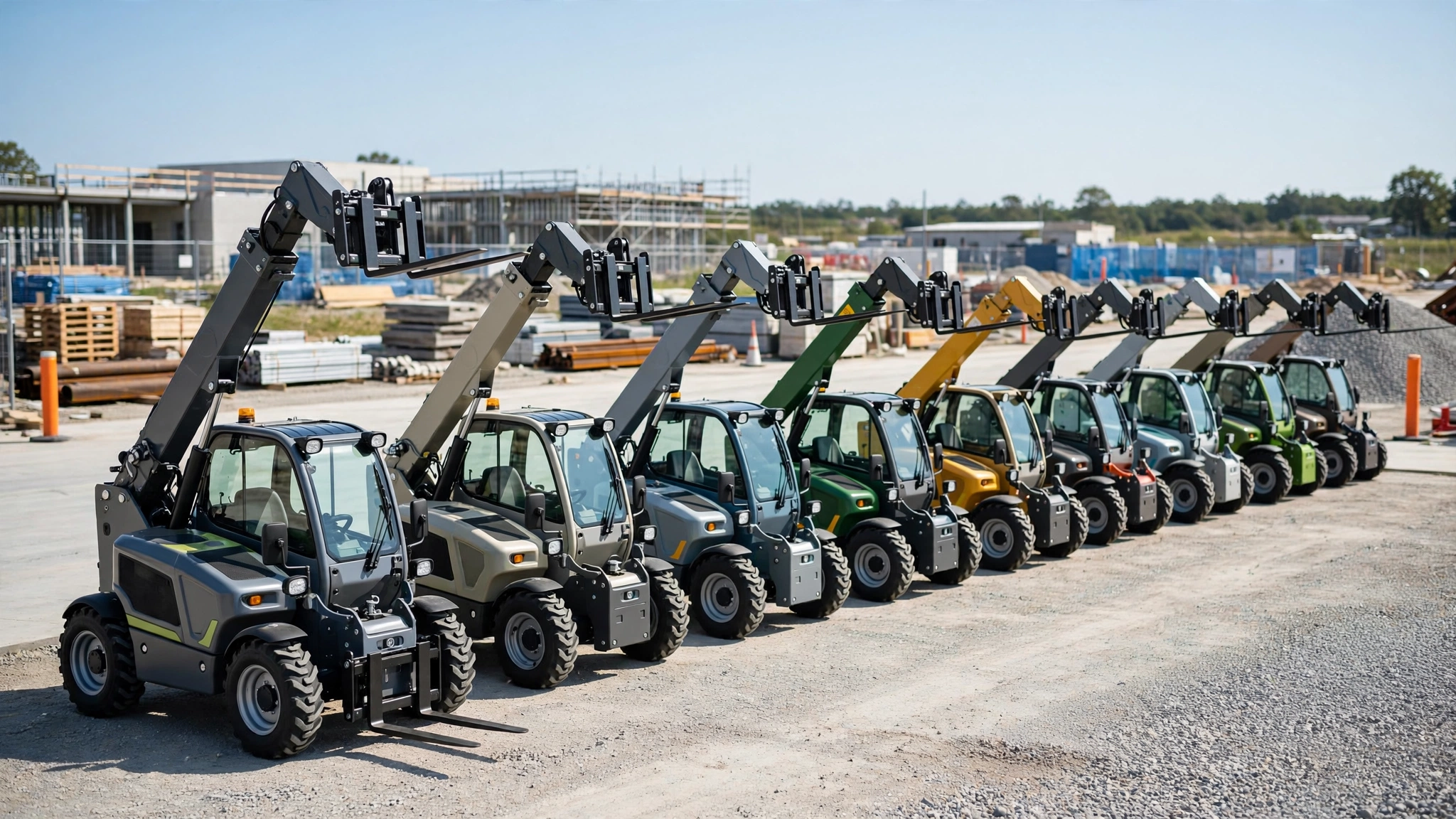
This is where the smallest telehandlers come in. These compact machines pack serious lifting power into tiny frames. They fit through standard doorways. They work in tight spaces. They lift loads you would not expect from such small machines.
I have worked with these compact machines for years. I have seen them squeeze into places where nothing else could go. I have watched them lift loads that seemed impossible for their size. This guide covers 9 compact machines on the market. I will tell you what each one offers. I will tell you where they work best. I will help you pick the right one for your tight job sites.
Why Smallest Telehandlers Make Sense
Most people think bigger is better. More capacity. More height. More power. But bigger is not always better. Sometimes you need the smallest telehandlers because that is all that fits. Indoor construction has low ceilings. Warehouse aisles are narrow. Residential job sites have tight access.
These compact machines weigh less too. They cause less damage to floors. They are easier to transport. They use less fuel. The smallest telehandlers also cost less. Much less. You get a capable machine for half the price of a full-size unit.
Do not let their size fool you. These little machines can lift 3,000 to 6,000 pounds. That is enough for most indoor and residential work. They reach heights of 15 to 25 feet. That covers most single-story buildings.
The 9 Smallest Telehandlers You Should Know
Here are nine compact machines I have used or seen in action. These are the smallest telehandlers worth considering.
1. JLG G5-18A
JLG is a big name. The G5-18A is their smallest model. It is built for indoor and light outdoor work. Capacity is 5,500 pounds. Lift height is 18 feet. It fits through standard doorways and turns tighter than most compact machines. The G5-18A has a reliable Perkins diesel engine. This machine works well in residential construction, handling drywall, lumber, and roofing materials.
2. SkyTrak 6036
SkyTrak is owned by JLG. The 6036 is their entry-level model. Capacity is 6,000 pounds. Lift height is 36 feet. You get decent height without giving up compactness. The transmission is hydrostatic, which gives you smooth control in tight spaces. The extra height helps with two-story projects.
3. Genie GTH-5519
Genie is another big player. The GTH-5519 is their smallest model. It is compact and maneuverable. Capacity is 5,500 pounds. Lift height is 19 feet. The machine is only 6 feet wide. It fits through narrow doorways. The Deutz engine runs clean, making it good for indoor use.
4. JCB 506-19
JCB builds tough machines. The 506-19 is their smallest model. Capacity is 5,700 pounds. Lift height is 19 feet. The machine is only 6 feet 6 inches tall and fits under low ceilings. JCB builds their own engines, giving good parts control and easy maintenance.
5. Manitou MT 420
Manitou specializes in agriculture. The MT 420 is built for farms and tight spaces. Capacity is 4,400 pounds. Lift height is 20 feet. The machine is only 5 feet 9 inches wide, narrower than most competitors. It features a reliable Yanmar diesel engine, perfect for vineyards and orchards.
6. Merlo P34.7
Merlo builds Italian machines. The P34.7 is compact and comfortable. Capacity is 6,600 pounds. Lift height is 22 feet. The cab is comfortable and visibility is excellent. It uses a common Perkins engine and works well in agriculture and construction.
7. Dieci 516
Dieci is another Italian brand. The 516 is built for industrial and agricultural use. Capacity is 5,500 pounds. Lift height is 17 feet. The machine is compact and agile, easily fitting in tight spaces. The hydrostatic transmission gives smooth control.
8. Pettibone Extendo 144
Pettibone builds rough terrain machines. The Extendo 144 is a classic design. Capacity is 6,000 pounds. Lift height is 14 feet, making it the shortest lift on our list. The machine is simple, durable, and uses a reliable Cummins engine. It works well in heavy construction and industrial use.
9. Bobcat V519
Bobcat is known for compact machines. The V519 is built for versatility. Capacity is 5,000 pounds. Lift height is 19 feet. The machine is only 6 feet wide. It features a reliable Kubota engine and works beautifully in construction and landscaping.
Smallest Telehandlers Comparison Table
| Brand | Model | Capacity | Lift Height | Width |
|---|---|---|---|---|
| JLG | G5-18A | 5,500 lb | 18 ft | 6 ft |
| SkyTrak | 6036 | 6,000 lb | 36 ft | 6 ft |
| Genie | GTH-5519 | 5,500 lb | 19 ft | 6 ft |
| JCB | 506-19 | 5,700 lb | 19 ft | 6 ft |
| Manitou | MT 420 | 4,400 lb | 20 ft | 5 ft 9 in |
| Merlo | P34.7 | 6,600 lb | 22 ft | 6 ft |
| Dieci | 516 | 5,500 lb | 17 ft | 6 ft |
| Pettibone | Extendo 144 | 6,000 lb | 14 ft | 6 ft |
| Bobcat | V519 | 5,000 lb | 19 ft | 6 ft |
Where the Smallest Telehandlers Work Best
These compact machines shine in specific situations. Know where they work best.
Indoor Construction
Low ceilings. Narrow hallways. Tight rooms. The smallest telehandlers fit where bigger machines cannot. They lift drywall, lumber, and materials to upper floors.
Warehouses
Narrow aisles. Tight storage spaces. Low clearance. If you strictly need an indoor lift for smooth concrete floors, check out the new 2025 Typhon Vigor 2.5 Electric Forklift, but these compact telehandlers handle rougher palettes and bulk materials while reaching rack heights without taking up too much space.
Residential Job Sites
Small driveways. Narrow access. Tight yards. These machines fit in residential areas. They lift materials to rooftops and upper floors.
Farms and Landscaping
Barns, sheds, and tight storage areas. They move feed, hay, and supplies. In landscaping, they handle soil, mulch, and plants on narrow paths where larger machines cannot go.
What to Look For in Smallest Telehandlers
Before you buy a compact machine, check these features.
Width
Measure your access points. Doorways. Aisles. Pathways. The machine must fit through these. Most smallest telehandlers are 6 feet wide. Some are narrower.
Height
Measure your ceiling height. The smallest telehandlers are low. But they still need clearance. Check overhead clearance in your work areas.
Capacity
Check your typical loads. Smallest telehandlers lift 4,000 to 6,000 pounds. That is enough for most indoor work. But it is less than full-size machines.
Lift Height & Maneuverability
Measure your work height. Single-story buildings need 15 to 20 feet. Tight spaces need a tight turning radius. Smaller is better for tight sites, and crab steering helps in narrow spaces.
Smallest Telehandlers vs Full-Size Telehandlers
There are tradeoffs between small and large machines. Smallest telehandlers cost less. They are easier to transport. They use less fuel. They fit in tight spaces. Full-size machines lift more, reach higher, and handle heavier loads on rougher terrain.
Pick the right tool for your job. If you face mechanical issues with your current fleet, review our guide on telehandler common problems: 5 issues and how to fix them. If you work in tight spaces, get a compact machine. If you need capacity and reach, get a full-size machine. Some contractors own both.
Transporting Smallest Telehandlers
One advantage of smallest telehandlers is easy transport. They fit on smaller trailers, and you do not need special permits. Weight is another factor. Smallest telehandlers weigh 8,000 to 12,000 pounds. This is less than full-size machines. You can tow them with smaller trucks. Check your towing capacity before you buy and use proper tie-downs.
Common Mistakes When Buying Smallest Telehandlers
Buying Too Small or Forgetting Attachments
Some people buy the smallest machine available, but it may not lift enough or reach high enough. Always check your needs. Also, attachments matter. Forks are standard. Buckets and jibs cost extra, so factor these into your budget.
Ignoring Dealer Support or Testing
Some brands have limited dealer coverage. If something breaks, you need parts fast. Test drive before you buy. Try it in tight spaces and check visibility. A machine that looks good on paper may feel wrong in the cab.
Our Business Partner
Final Thoughts
Smallest telehandlers are not toys. They are serious machines that handle serious work. They fit where bigger machines cannot go. They lift loads you would not expect.
The nine machines I covered are the best in the compact class. JLG, SkyTrak, Genie, JCB, Manitou, Merlo, Dieci, Pettibone, and Bobcat all offer capable machines. Match the machine to your work. Check capacity, height, width, and dealer support.
Compact machines cost less than full-size machines. They save you money. They fit in tight spaces. They still lift heavy loads. Pick the right machine for your job site, and it will serve you well for years.