
Table of Contents
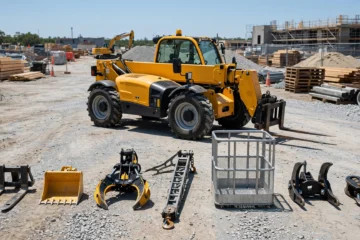
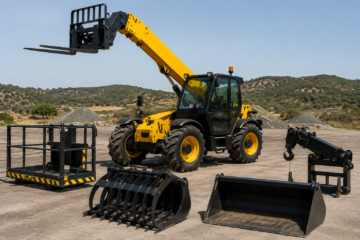
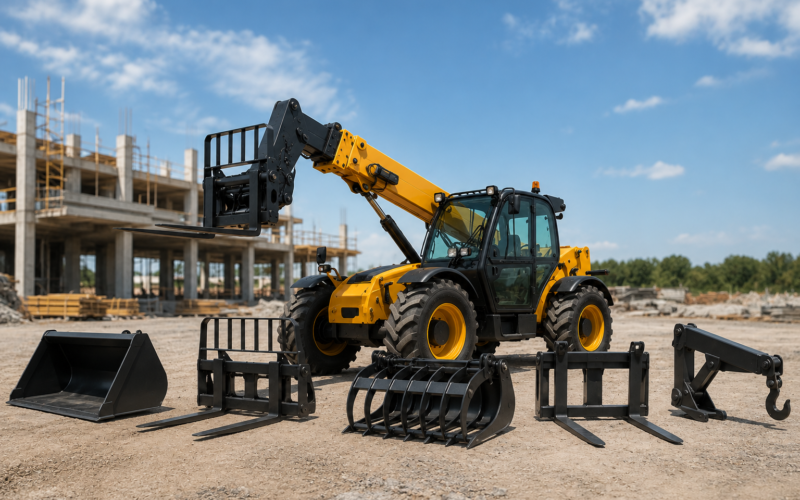
You bought a telehandler. Good choice. But you are only using half its potential. The machine itself is powerful. The attachments make it versatile. This guide covers 5 telehandler attachments that double your telehandler’s value.
One telehandler with five attachments replaces five separate machines. You save money on equipment purchases. You save space in your yard. You save time switching between jobs. You will learn what each tool does and decide which attachments fit your work.
Why Telehandler Attachments Matter
A telehandler without telehandler attachments is just a forklift with a long arm. You lift pallets. You move materials. That is all.
Add telehandler attachments and your telehandler becomes a loader, a crane, a sweeper, and a work platform. One machine does many jobs. Your investment goes further.
These telehandler attachments cost between $500 and $5,000 each. Compare that to buying a new machine. A new skid steer costs $30,000. A new crane costs $50,000. Telehandler attachments are cheaper by far.
You also save on maintenance. One machine needs one set of tires. One machine needs one engine service. High-quality telehandler attachments pay for themselves quickly. Use a bucket for one week instead of hiring a loader, and it pays for itself in one month.
Attachment 1: Fork Carriage
The fork carriage is your standard choice among telehandler attachments. It comes with most telehandlers. But do not overlook its value. The fork carriage holds two forks. You lift and move materials. However, if your only job is stacking pallets indoors on a flat warehouse floor, you might consider a brand new Typhon Vigor 3.0 Electric Forklift instead. But for rough terrain, telehandler forks are essential.
Why You Need It
You need forks for every job site. Pallets are everywhere. Materials arrive on pallets. Forks adjust to different widths to move narrow or wide loads.
Best Uses & Cost
Warehouses use forks every day. Construction sites use forks for bricks and concrete blocks. A fork carriage with forks costs $500 to $1,500. This is standard equipment on most machines.
Attachment 2: Bucket
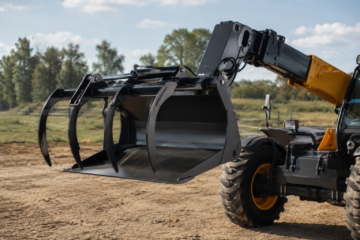
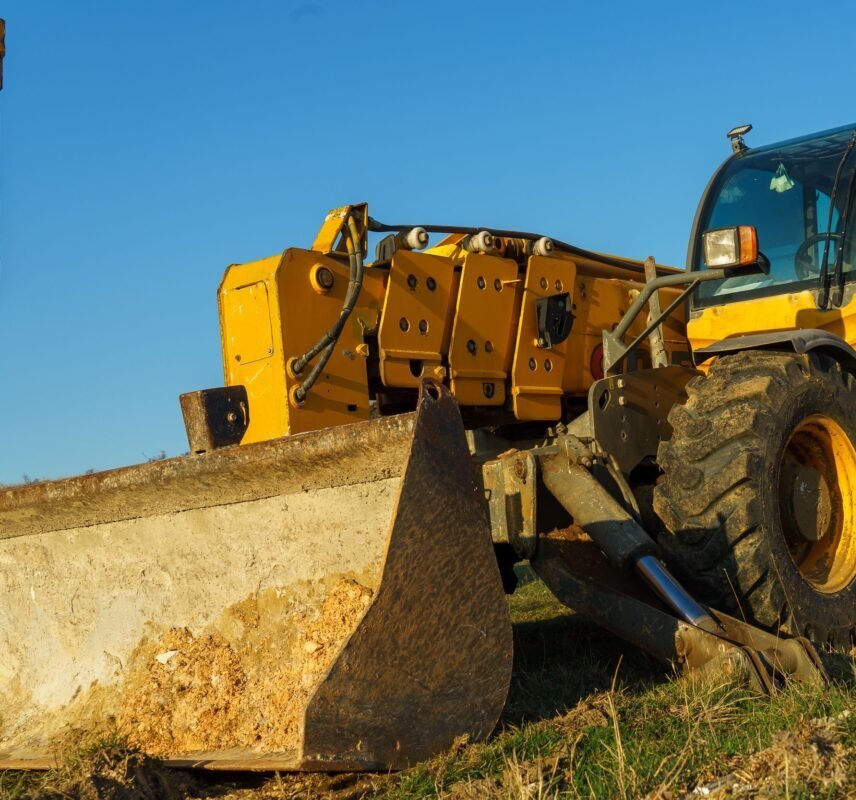
A bucket is one of the most popular telehandler attachments that turns your telehandler into a loader. You scoop materials, lift them, and dump them where you need them. When moving heavy loads of gravel or soil, make sure you also have the right traction by reviewing our guide on telehandler tires: 3 types compared.
Why You Need It
Buckets save labor. One person with a bucket moves more material than ten people with shovels. Buckets handle materials that forks cannot like sand, gravel, and dirt.
Best Uses & Cost
Construction sites use buckets for gravel. Farms use them for grain and silage. A bucket costs $1,000 to $3,000 depending on size and material quality. Heavy-duty buckets cost more but last longer.
Attachment 3: Winch
A winch is another of the powerful telehandler attachments adding pulling power to your telehandler. You move objects that do not fit on forks. A winch mounts to the carriage, a cable spools out, and you pull the object toward the machine using hydraulic power.
Why You Need It & Best Uses
Some jobs require pulling, not lifting. You drag fallen trees or pull stuck vehicles. Construction sites use winches for pulling formwork. Demolition sites use winches for pulling debris. A hydraulic winch costs $2,000 to $5,000.
Attachment 4: Crane Jib
A crane jib is unique among telehandler attachments because it extends your reach further. A jib attaches to the end of your boom, adding length. Some are 4 feet long, others are 8 feet long.
Why You Need It & Best Uses
Some placement jobs require extra reach over walls. Construction sites use jibs for placing roofing materials on roof peaks. Steel erection uses jibs for beams. A jib reduces your lift capacity, so check your load chart. A crane jib costs $1,500 to $4,000.
Attachment 5: Work Platform
A work platform is one of those telehandler attachments that lifts workers safely. It attaches to the carriage and workers stand on the platform for maintenance and installation at height.
Why You Need It & Best Uses
Renting a boom lift costs $500 per day. Owning a platform costs $3,000. It pays for itself in one week. Facility maintenance uses work platforms to change high bay lights. Only use approved work platforms that meet OSHA standards. A work platform costs $2,500 to $5,000.
How to Choose Telehandler Attachments
You cannot buy all telehandler attachments at once. Start with the ones you need most. Add others as your work requires. Evaluate your jobs and note which tools you rent or borrow.
Start with a bucket if you move loose materials. Add a winch for tough pulling jobs. Add a jib for precision reach, and add a platform for height work.
Telehandler Attachments Maintenance
Your telehandler attachments need care too. Maintain them properly for long life. Inspect before each use. Check for cracks, bends, and wear.
Grease moving parts like winch spools and jib pivot points regularly. Clean after use, as material buildup adds weight and causes corrosion. Store them indoors if possible.
Cost-Benefit Analysis of Telehandler Attachments
Quality telehandler attachments cost money. But they also save money. Calculate your return on investment.
Bucket Example: Renting a skid steer with a bucket costs $12,000 per year. A bucket costs $2,000. You save $10,000 in the first year.
Work Platform Example: Renting a boom lift costs $12,000 per year. A platform costs $3,000. You save $9,000 in the first year.
Winch Example: Hiring a recovery truck costs $9,600 per year. A winch costs $4,000. You save $5,600 in the first year.
Our Business Partner
Bottom Line
The right telehandler attachments double your telehandler value. One machine does the work of five. Forks move pallets, buckets move loose material, winches pull heavy objects, and work platforms lift workers.
Start with the telehandler attachments you need most. Evaluate your jobs and calculate your rental costs. Let the numbers guide your purchase.
Maintain your telehandler attachments properly. Inspect them before each use, grease moving parts, and store them indoors.
Invest in telehandler attachments. Your telehandler becomes more productive. Your job gets done faster. Choose your first set of attachments today and start saving money tomorrow.